The “ADHD Effect” on Couples
Couples where one or both partners have ADHD (or suspected) are often not receiving proper treatment.

After personal experience in navigating couples therapy with an ADHD partner, I have made it my mission to educate clients and other therapists on the impact that this has on relationships. Often ADHD is missed, not addressed in therapy, or minimized. This leads to poor outcomes, and oftentimes couples feel worse, and hopeless.
Couples dealing with the “ADHD Effect” often present with similar issues that any neurotypical couple would. These issues look similar on the surface, but the underlying cause is not the same. Therefore, it should not be treated the same. This leads therapists/providers to wrongly assume that one or both partners are not invested, lack of trying, or encourage a burnt-out non-ADHD parter to simply stop pursuing. They may apply an attachment or trauma lens. The reality is, this is not the most effective therapy for ADHD.
What this means
I bring a background in neurodevelopmental education to my couples work, which shapes how I think about executive functioning struggles — the missed texts, the unfinished projects, the 'why can't you just remember' fights.
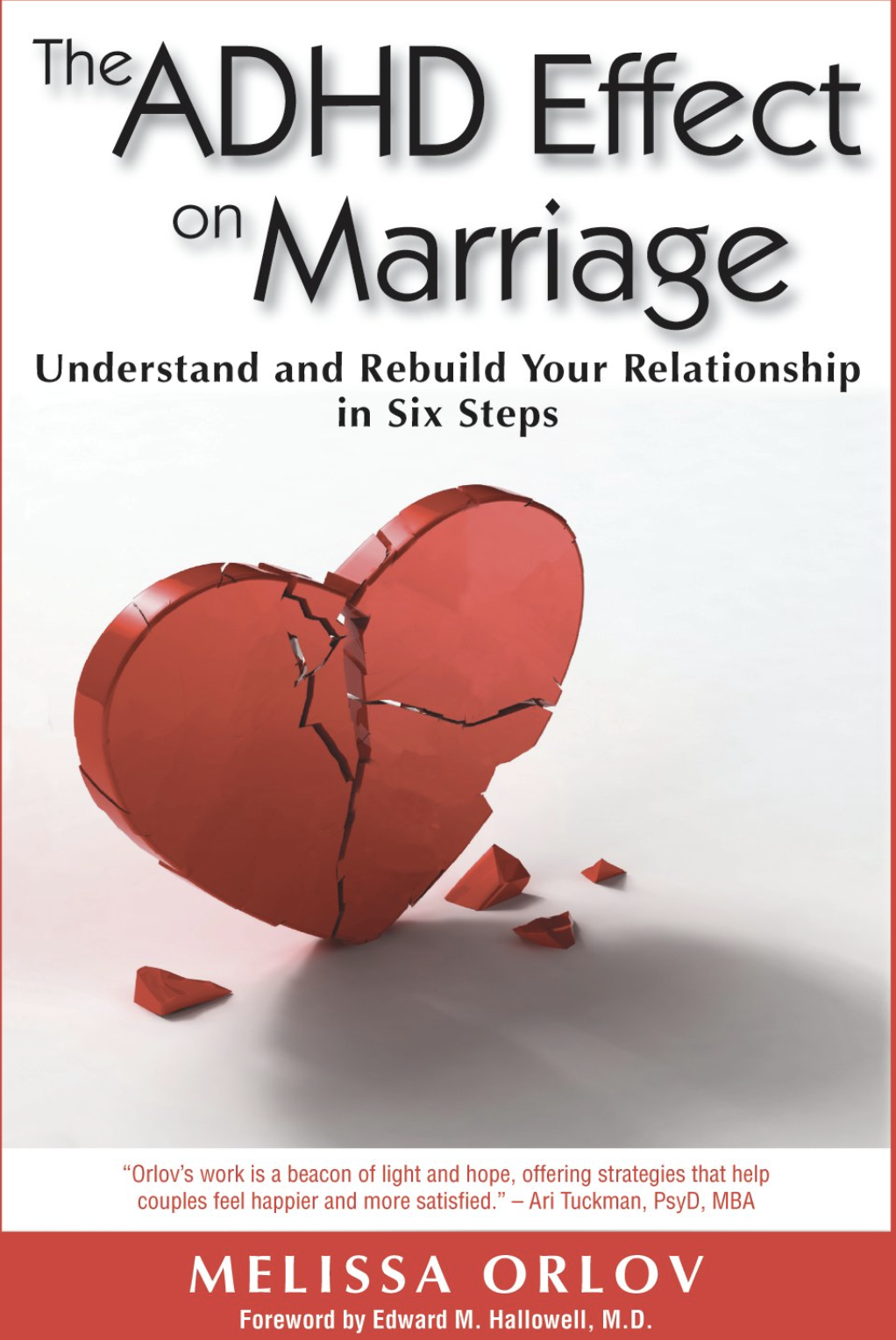
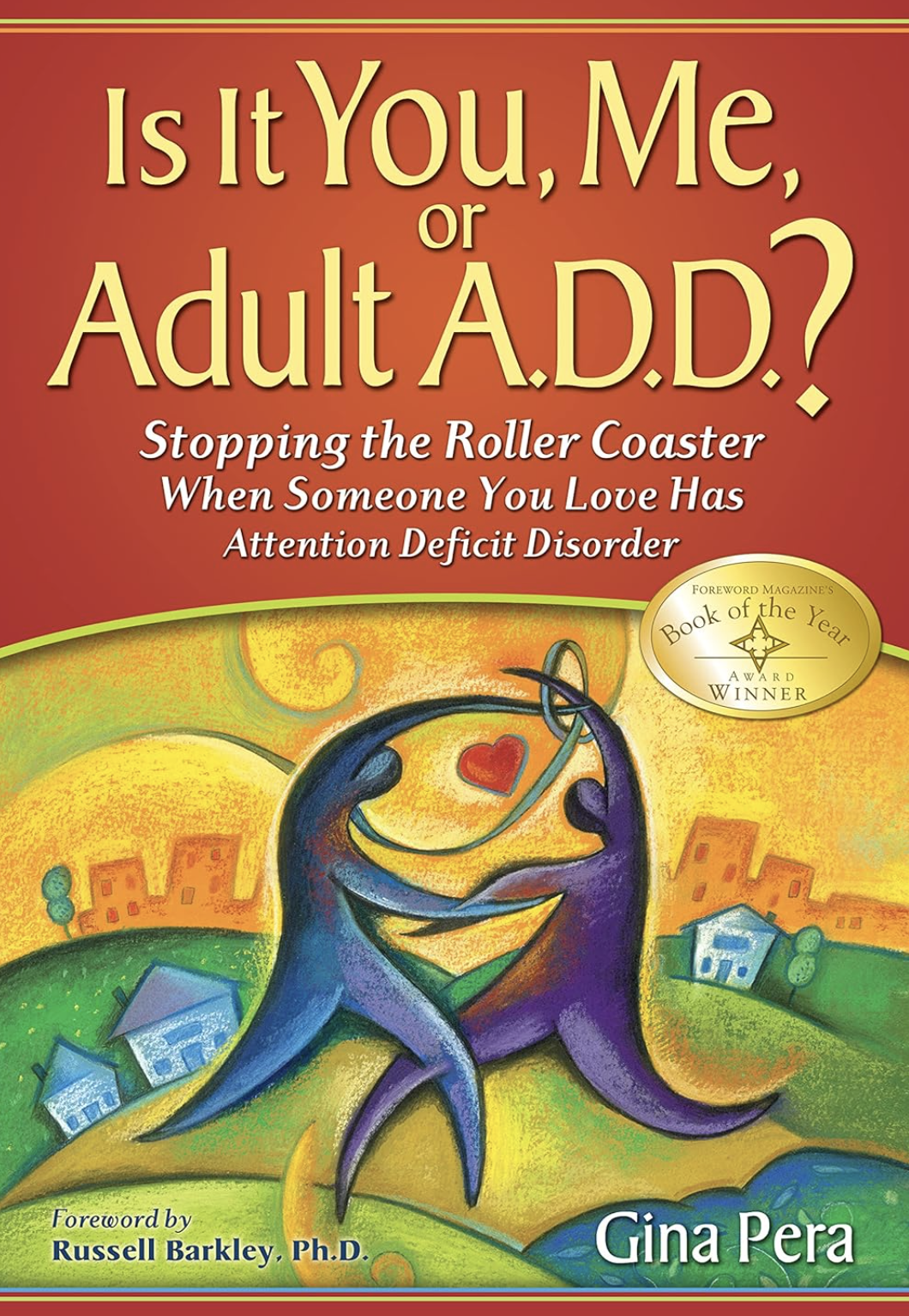
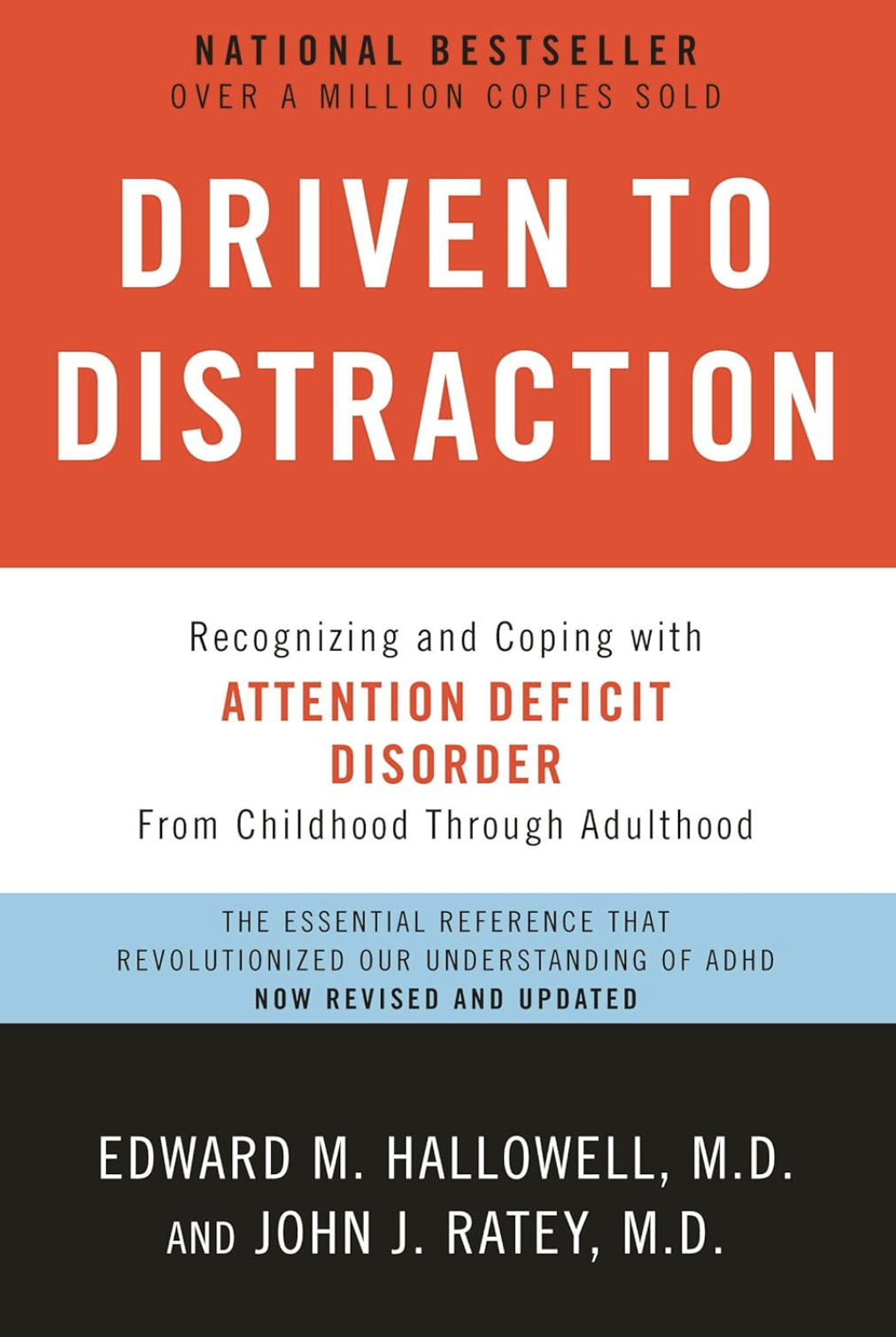
There is hope. If you feel like your relationship is impacted by ADHD, whether officially diagnosed or not— reach out. I screen all my clients for the potential of ADHD, and get clarity on how it may impact their daily functioning. I have trusted medication providers and referrals for testing. Ignoring or minimizing ADHD in couples is detrimental and often leads to the relationship ending. After being on the other side of inappropriate treatment for ADHD, I know what it’s like. This was my story, but it doesn’t have to be yours. Below, I will share my favorite resources when it comes to ADHD and relationships. You are not crazy and you are not alone.
I also work with individuals who are navigating life with ADHD or an ADHD partner. Being on the other side of an ADHD impacted relationship can be difficult, isolating, and there’s often a lack of understanding or support. Therapists or loved ones may tell you to leave the relationship, despite wanting to stay with your partner. I can help you navigate communication skills, strategies, and accommodations to support your ADHD partner, and also take care of yourself.
Have ADHD? Having ADHD in a relationship can also often bring up shame from the past— teachers, coaches, parents: Why can’t I just get it right? That may translate into your partnership. You deserve to understand your brain and what the research tells us. GOOD NEWS—ADHD is one of the most treatable disorders.
How I help ADHD impacted couples:
RESOURCES
MUST READ BOOKS